Call : +91-9840519139
Pregnancy Safe Skin Care
Dr. Annie Flora. G (Dermatologist)
7/2/2026
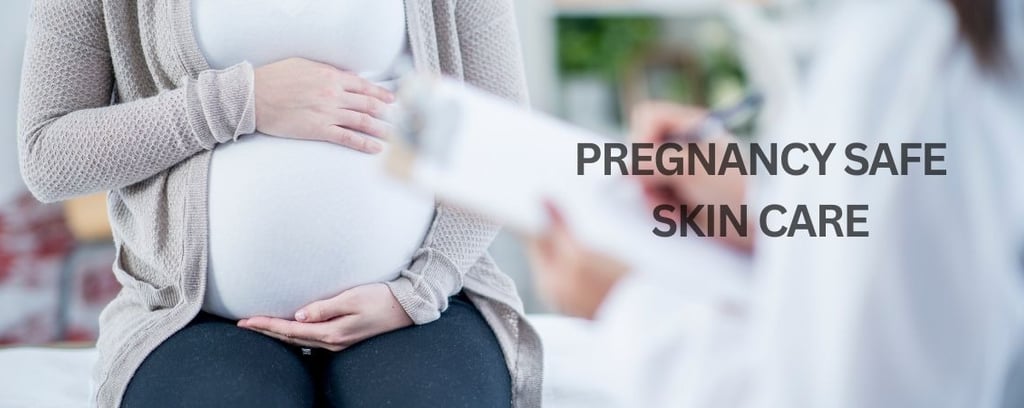

Pregnancy is one of the most extraordinary things your body will ever do. And in the process of building a new life, your body goes through changes you might not have prepared for. The nausea. The weight of the belly. The sleepless nights. And on top of everything else — your skin. Suddenly reacting, itching, marking, breaking out, darkening in places you didn’t know could darken.
If you’re looking in the mirror right now and wondering when your skin decided to become someone else’s, please know: you’re not alone. What you’re experiencing is real, it has a name, and most of it is manageable when addressed by the right person, at the right time, with the right care.
This blog is for you — the mother-to-be trying to figure out what’s happening to her skin, what’s safe to use during these nine months, and when it’s time to stop Googling and reach out for professional help.
You are not just glowing. You are also stretching, shifting, itching, and transforming — and every one of those experiences deserves proper care.
The Skin Changes You may experience in Pregnancy
Every pregnancy is different, but there are some skin changes that show up commonly enough that most obstetricians and dermatologists recognise them instantly. Here are the ones worth knowing:
1. Stretch Marks (Striae Gravidarum)
These appear as pink, red, or purple streaks on the belly, breasts, thighs, and hips as the skin stretches to accommodate rapid growth. They typically appear in the second and third trimesters. Genetics play a big role — if your mother or sister developed them, you likely will too. Over time, they fade to a silvery-white colour but rarely disappear completely on their own.
2. Melasma (‘Mask of Pregnancy’)
Brown or grey-brown patches appearing symmetrically on the cheeks, forehead, upper lip, and jawline — caused by pregnancy hormones triggering excess melanin production. Sun exposure makes it dramatically worse, especially in Chennai’s climate. It often fades after delivery but can persist and needs proper treatment postpartum.
3. Linea Nigra and General Hyperpigmentation
The vertical dark line running down the middle of the belly — completely normal and hormone-driven. You may also notice darkening of the areolas, underarms, inner thighs, and neck folds. Most of this fades within a few months of delivery.
4. PUPPP (Pruritic Urticarial Papules and Plaques of Pregnancy)
One of the most common pregnancy-specific rashes — appearing as intensely itchy red bumps and hives, usually starting on the abdomen (often within stretch marks) and spreading to the thighs, buttocks, and arms. Typically appears in the third trimester. Uncomfortable but not dangerous — however, it absolutely needs a dermatologist to manage the itch safely, as scratching can cause secondary infection and scarring.
5. Pregnancy Urticaria and Hives
Sudden, itchy raised welts on the skin that come and go — often triggered by hormonal shifts, heat, or stress. It can be miserable to live with, but is treatable with pregnancy-safe medications when guided by a doctor. Please do not self-medicate with random antihistamines.
6. Cholestasis of Pregnancy — The One to Take Seriously
Cholestasis is a liver condition unique to pregnancy that causes intense itching — particularly on the palms and soles, often worse at night — without a visible rash. It is not just an inconvenience. Cholestasis can affect the baby and requires immediate medical attention. If your palms and soles are itching relentlessly, please see a doctor without delay. This is not something to wait on.
7. Pregnancy Acne
Hormonal surges can trigger breakouts even in women who never had acne before. But acne treatment in pregnancy is not the same as regular acne treatment — most common ingredients (retinoids, high-dose salicylic acid) are unsafe. You need a dermatologist to guide you through safe alternatives.
8. Hair Changes
Many women notice thicker, fuller hair during pregnancy — only to experience dramatic hair fall three months postpartum. This is normal and largely temporary, but if hair loss is troubling you, dermatological guidance can accelerate recovery.
What You Put On Your Skin Matters — More Than Ever
During pregnancy, your skin absorbs a significantly higher percentage of what you apply to it. Whatever crosses that barrier crosses the placenta too. This is why choosing pregnancy-safe skincare isn’t about being paranoid — it’s about being informed.
The biggest category of concern is Endocrine Disrupting Chemicals (EDCs) — substances that interfere with the body’s hormone systems. In a hormone-sensitive state like pregnancy, EDC exposure has been linked to complications ranging from birth weight changes to developmental effects on the baby.
Read every label. Here’s what to actively avoid in your moisturisers, shampoos, sunscreens, body washes, and any product that stays on your skin:
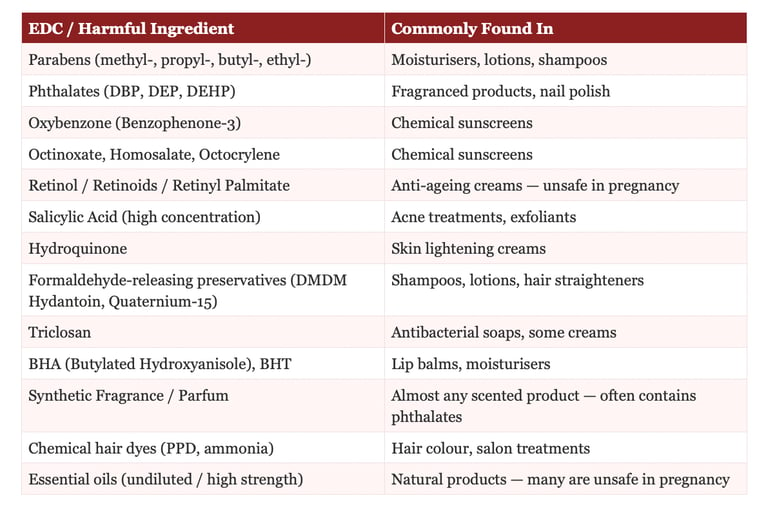
⚠️ IMPORTANT: This is not fear-mongering. Occasional exposure to a single product is unlikely to cause harm — the concern is cumulative daily exposure over 9 months, on skin that’s absorbing more than usual. When possible, choose products explicitly labelled ‘pregnancy-safe,’ ‘EDC-free,’ or ‘cosmetic ingredient safe.’ When unsure, ask your dermatologist.
What Skin Care TO Use in Pregnancy Instead?
The good news is there are excellent pregnancy-safe alternatives for every product category:
Moisturisers: Ceramide-based creams, colloidal oatmeal, shea butter, glycerin, hyaluronic acid — all safe and effective.
Sunscreens: Mineral sunscreens with zinc oxide and titanium dioxide only — no chemical UV filters. Non-negotiable in Chennai’s sun.
Cleansers: Fragrance-free, sulphate-free, pH-balanced. Look for coco-glucoside or sodium cocoyl isethionate as gentle cleansing agents.
Shampoos: Paraben-free, sulphate-free, formaldehyde-free. Avoid smoothing / keratin treatments during pregnancy.
Acne products: Only azelaic acid and low-strength benzoyl peroxide are considered safe — always under dermatologist guidance.
Anti-ageing: Vitamin C, niacinamide, and peptides are all safe. Retinol and retinoids are strictly off-limits until you finish breastfeeding.
Stretch Mark Creams — What They Actually Do
Let’s be honest about this: no cream applied during pregnancy can guarantee prevention of stretch marks. Genetics, rate of weight gain, and skin type play a bigger role than any product. Marketing that promises 100% prevention is not being truthful with you.
That said, good stretch mark creams do serve a purpose. Regularly applied, they:
Keep the skin hydrated and supple, which may reduce the severity of marks that form
Soothe the intense itching that often accompanies rapid stretching
Maintain the skin barrier during a phase when it’s under enormous mechanical stress
Improve overall comfort of stretched skin — which is worth a lot on its own
Look for creams with cocoa butter, shea butter, Vitamin E, hyaluronic acid, centella asiatica, and gotu kola — all pregnancy-safe and evidence-supported. Apply generously to the belly, thighs, breasts, and lower back, twice daily from the second trimester onwards. The habit matters more than the specific brand.
For stretch marks that do form — there are excellent postpartum treatments that can significantly improve their appearance, which we’ll discuss below.
When to Stop Self-Managing and See a Dermatologist
This is the section I want every pregnant reader to take seriously. Please do not try to manage the following at home with WhatsApp remedies, herbal pastes, or over-the-counter creams:
Any persistent itching — particularly on the palms and soles. This could be cholestasis, which affects the baby.
Any new rash that doesn’t settle in 24–48 hours — PUPPP, urticaria, and other pregnancy dermatoses need pregnancy-safe treatment.
Sudden swelling of face, hands, or feet — may indicate other conditions requiring urgent care.
Acne that’s affecting your confidence — we have safe options; you don’t have to just endure it.
Rapidly darkening skin patches — some pigmentation is normal; sudden changes need assessment.
Any allergic reaction to a product — hives, swelling, or breathing difficulty is an emergency.
Existing skin conditions flaring — eczema, psoriasis, rosacea often behave differently in pregnancy and need adjusted care.
At Ray & Rio, we care for pregnant patients through every trimester with treatments and products carefully curated for pregnancy safety. We coordinate with your obstetrician where needed. And most importantly — we’ll never make you feel silly for coming in. Every pregnancy concern is worth checking.
Let’s Take Care of You Together
You’re doing something extraordinary. You deserve to feel taken care of — not just as an expectant mother, but as the whole person you are. Book a pregnancy skincare consultation with Dr. Annie Flora. We’ll review your current products, address any skin concerns you’re having, and set you up with a safe, sustainable routine for the rest of your pregnancy.
Contact
Block A, Plot B1, 12th Cross St, Ranga Reddy Gardens, Saraswathy Nagar North, Neelankarai, Chennai, Tamil Nadu
+91 98405 19139
We are here!!!
Neelankarai
Egmore
No. 14/31, First Street, Sait Colony, Egmore, Chennai - 600008, Tamil Nadu
© 2025 RAY & RIO SPECIALITY CLINIC