Call : +91-9840519139

Benefits of Good Sleep for Skin & Hair: Melatonin’s Role
SKIN CARE TIPS
12/10/20253 min read
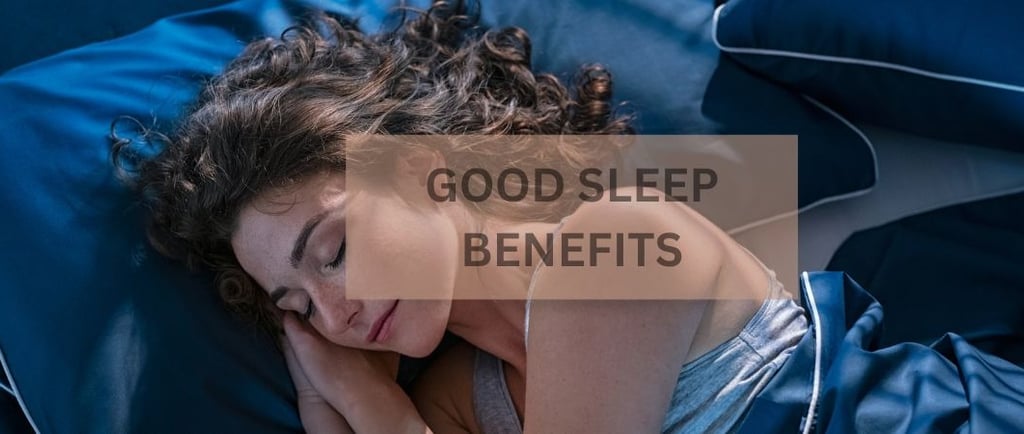

If your skin looks dull, your under-eyes look darker, or your hair feels thinner or more lifeless, your products may not be the only missing piece. Often, the real issue is sleep quality.
Good sleep is when the body switches into repair mode—calming inflammation, balancing stress hormones, and supporting natural antioxidants like melatonin. Together, sleep and melatonin play a powerful role in how healthy your skin and hair look and feel.
Why sleep is essential for healthy skin and hair
Sleep is not just “rest.” It’s active recovery. During deep sleep, the body:
Repairs daily wear and tear in skin and tissues
Balances hormones that affect oil production, breakouts, and hair fall
Lowers inflammation that contributes to premature aging and scalp irritation
Supports immune function (important for acne, eczema, dandruff, and sensitivity)
When sleep is inconsistent, the body prioritizes survival over beauty—so skin repair slows and hair growth signals can weaken.
Benefits of good sleep for skin
1) Better skin barrier and hydration
Your skin barrier keeps moisture in and irritants out. During sleep, barrier repair improves, helping reduce:
Dryness and tightness
Sensitivity and redness
Rough texture and flaky patches
2) Reduced breakouts and inflammation
Poor sleep increases stress hormones like cortisol, which may trigger:
More oil production
More inflammatory breakouts
Slower healing of pimples and marks
3) Healthier glow and even tone
Good sleep supports better blood flow and cellular repair, which can translate into:
Brighter, more rested-looking skin
Less puffiness
Improved overall tone over time
Benefits of good sleep for hair and scalp
Hair follicles are highly sensitive to stress and inflammation—two things sleep directly influences.
1) Less stress-related hair shedding
Chronic poor sleep can worsen stress response, contributing to telogen effluvium (diffuse shedding) in some people—especially after illness, dieting, or emotional stress.
2) Better scalp health
A well-rested body tends to show:
Lower inflammatory scalp flares
Improved scalp barrier function
Better comfort if you’re prone to itching or dandruff
3) Support for growth and recovery
Hair growth is energy-demanding. Sleep helps the body allocate resources toward healthy growth cycling rather than stress survival mode.
What is melatonin and why does it matter for skin and hair?
Melatonin is commonly called the sleep hormone, but it’s more than that. It also functions as a strong antioxidant and supports night-time repair.
Your body naturally produces melatonin in response to darkness, and levels rise in the evening and peak at night.
Melatonin benefits for skin
Melatonin may help by:
Neutralizing oxidative stress from pollution, UV exposure, and inflammation
Supporting overnight recovery and skin resilience
Helping the skin stay calmer and stronger over time
Melatonin benefits for hair and scalp
Melatonin is also active around hair follicles and may support:
Healthier hair growth cycle regulation
Antioxidant protection for follicles
Improved scalp environment
(Note: topical melatonin has been studied in hair care in some settings; supplement use should be individualized.)
How sleep helps keep melatonin levels healthy
Melatonin depends heavily on your body clock (circadian rhythm). The biggest factor that controls melatonin is light exposure.
What improves natural melatonin production
Morning sunlight exposure (10–20 minutes) helps set your internal clock
Dim lighting at night allows melatonin to rise naturally
Consistent sleep and wake timings strengthen your melatonin rhythm
A cool, dark bedroom supports deeper sleep and better recovery
What disrupts melatonin (and your “beauty sleep”)
Bright indoor lights late at night
Late-night phone scrolling (blue/white light exposure)
Irregular sleep timings (“weekend sleep jet lag”)
Late caffeine, alcohol close to bedtime, heavy late dinners
High stress at night without a wind-down routine
The sleep–melatonin–cortisol connection (why you look tired when you are tired)
When you sleep well:
Melatonin rises at the right time → better overnight repair
Cortisol stays balanced → less inflammation and fewer breakouts
Recovery improves → skin barrier and scalp health improve
When sleep is poor:
Melatonin rhythm becomes weaker
Cortisol stays higher
Inflammation increases
Skin and hair show it first
Best sleep tips for glowing skin and healthier hair
Here’s a simple routine that actually works for most people:
Get morning sunlight daily (even a short walk helps)
Fix a consistent bedtime (same time most days)
Dim screens 60 minutes before bed (or use warm light + low brightness)
Avoid caffeine after 2 pm (earlier if you’re sensitive)
Keep your room cool and dark
Do a short wind-down ritual: skincare, reading, breathing, light stretching
When to consult a doctor or dermatologist
If you have persistent:
severe insomnia
heavy hair fall (sudden shedding, widening parting, visible thinning)
acne flare-ups linked to stress
scalp scaling/itching not improving
…it’s worth getting evaluated. Hair fall and dull skin can also reflect nutrient issues, thyroid changes, anemia, hormonal imbalance, or chronic inflammation.
Want personalized advice for skin or hair concerns?
At Ray & Rio’s Specialty Clinic, we look beyond surface symptoms and help you address root triggers—stress, sleep disruption, inflammation, and scalp/skin health—using evidence-based dermatology and aesthetic care.
Book a consultation to build a plan that fits your skin type, lifestyle, and goals.
Contact
Block A, Plot B1, 12th Cross St, Ranga Reddy Gardens, Saraswathy Nagar North, Neelankarai, Chennai, Tamil Nadu
+91 98405 19139
We are here!!!
Neelankarai
Egmore
No. 14/31, First Street, Sait Colony, Egmore, Chennai - 600008, Tamil Nadu
© 2025 RAY & RIO SPECIALITY CLINIC